


![[Pre-order] Momcozy Wellness 1 Warm-Massage Wearable Breast Pump - W1](http://ca.momcozy.com/cdn/shop/files/1._1_app2.jpg?v=1778054546&width=360)
Going back after leave does not mean you have to wean. Returning to work while breastfeeding is a logistics problem more than a verdict on your milk. You need three things before day one: a clear ask for your workplace, a pumping schedule that matches your baby's age, and a short list of habits you can actually keep. Many Canadian parents return closer to 12 to 18 months than the six-week stories you see online. Your plan should follow the baby in front of you, not a US timeline.
Key Takeaways
- You can keep breastfeeding after paid work starts by pumping at work, nursing around the workday, combining both, or using another milk for some daytime feeds if your family needs that.
- Talk to your employer before your return date and ask for a private, non-washroom space, time to express, and a fridge or cooler for milk.
- A work pumping schedule usually matches how often your baby would feed while you are apart, often every two and a half to three hours, and often less if you return after 12 months.
- Practice pumping, build a small labelled stash, and do a childcare trial run one to two weeks before day one.
- Provincial and territorial human rights rules in Canada generally treat breastfeeding and pumping as something an employer should accommodate. This is not US pump-break law, and it is not legal advice.
You Can Keep Breastfeeding After You Go Back
Going back to paid work does not mean you have to wean. What you do at work depends on your baby's age, your shift, and the care you have lined up. None of these paths is more virtuous than the others.
Ways families keep milk in the mix
- Pump or hand-express at work and send that milk to childcare.
- Nurse before you leave, after pickup, overnight, and on days off, and express only if you get uncomfortably full.
- Use nearby care so you can feed during a break, if that is realistic for your job.
- Combination feeding: breast, expressed milk, and another milk for some daytime bottles if that is the plan you can keep. Check a feeding-plan change with your public health nurse or an IBCLC.
La Leche League Canada notes that a 12 to 18 month return often needs less pumping than a four-month return. If baby still feeds every two to three hours, you will usually need to remove milk on a similar rhythm while you are apart.

Know Your Rights at Work in Canada
Canadian human rights law generally treats breastfeeding as a ground for workplace accommodation. The details sit in provincial and territorial codes, not in a single federal “pump break” statute copied from the United States. This section is general information, not legal advice.
Leave length changes how often you pump
Outside Québec, Employment Insurance maternity and parental benefits are why many parents can take closer to a year, or longer on the extended parental option. In Québec, the Québec Parental Insurance Plan (QPIP) covers that leave instead. A longer leave often means you return to a toddler who already eats family foods, so you may pump less at work than someone going back at four months.
What accommodation often looks like
La Leche League Canada points parents to provincial and territorial human rights agencies and lists typical asks: flexible hours, extra breaks to express or nurse, a clean private place, and somewhere to keep milk cool. The Canadian Human Rights Commission’s list of provincial and territorial agencies is the directory if you need the body that actually applies where you work.
In practice, a workable setup is a lockable room that is not a washroom, a chair, an outlet if you use an electric pump, and either a fridge or a cooler with ice packs. If your supervisor is unsure, HR is the next conversation. A bathroom stall is not a lactation space.
Talk to Your Employer Before Your First Day Back
Speak to your manager or HR before your return date, with a short written list of needs. Do not wait until the morning you clock in. A calm email during leave gives them time to find a room and a fridge.
When to start, and what to put in writing
Raise it while you are still on leave. After you meet, send a short recap. If there is no dedicated room, ask what private space they can free, including for shift, retail, healthcare, and outdoor work.
A list you can take into the meeting
- When you expect to express, and roughly how long each break will take door to door.
- A private, non-washroom space, and whether it has an outlet and a chair.
- A sink for washing parts, or a plan to bring a basin and bag used parts home.
- Fridge access versus a cooler with ice packs.
- Whether a gradual return, part-time hours, a later start, or some work from home is possible for the first weeks.

A Practical Checklist Before Day One
These tips for returning to work while breastfeeding are the ones that usually save the first week. You need a routine you can repeat, not a huge freezer wall.
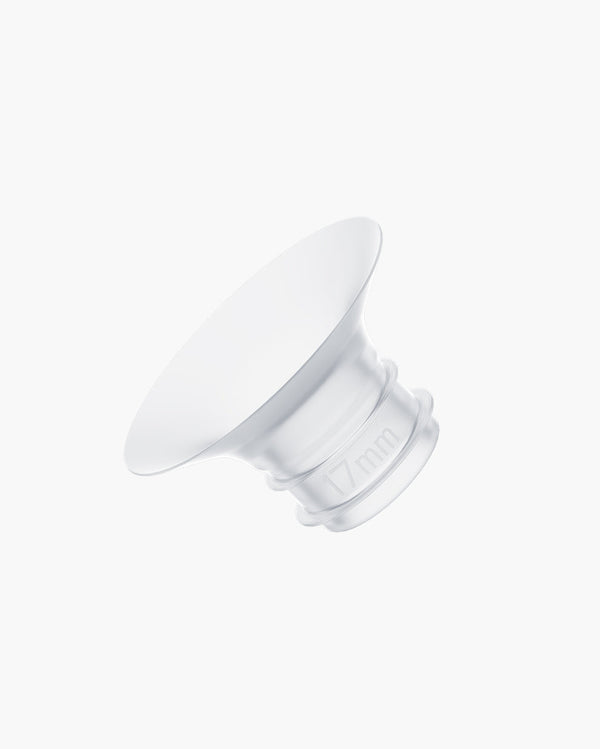
- Practice with your pump, and with hand expression, one to two weeks before day one. Check flange fit. A sit-down practice session is where some moms try Wellness 1 if they want warmth and massage while they learn the rhythm. Washing and sterilizing pump parts belongs in that practice week.
- Build a small labelled stash, enough for the first few childcare days, not a warehouse. Morning leftover sessions are a common way to collect without adding a full extra pumping marathon.
- Let someone other than you offer a bottle or cup, in another room, using paced feeding. Baby often waits for you if you are standing there.
- Pack the night before: pump, spare valves or membranes, labelled bags or bottles, cooler and ice packs, an extra top, snacks, and water.
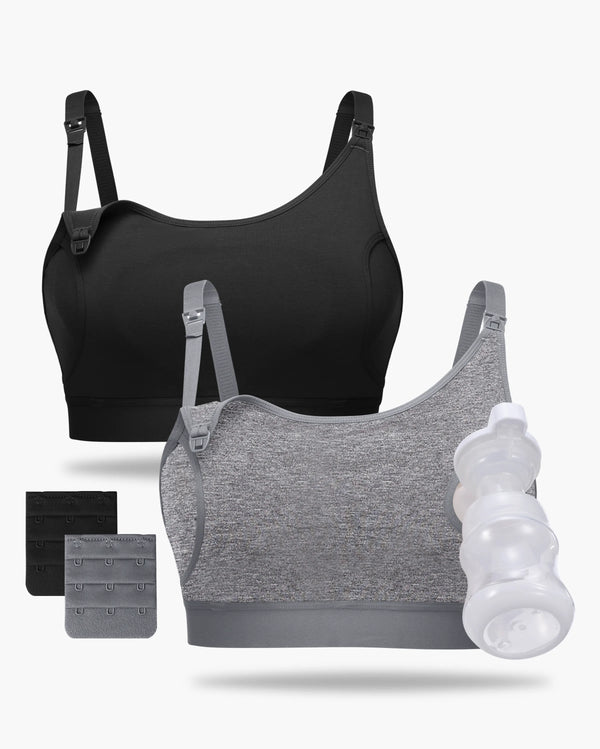
- Wear washable layers that open at the front. A front-open nursing bra makes the feed at daycare pickup less of a fumble in a parking lot. Patterned fabric hides leaks better than a pale blouse.
- Start mid-week or part-time if you can, so the first week is shorter.
- Do a childcare trial day before you officially return, with the same bags and labels you will use for real.
![[Pre-order] Momcozy Wellness 1 Warm-Massage Wearable Breast Pump - W1](http://ca.momcozy.com/cdn/shop/files/1._1_app2.jpg?v=1778054546&width=600)

Member price
$48.99Code Save 20%

How much to send those first days is a range, not a score. The amounts families actually pack sit in typical pumping output by age, and they should follow what your baby drinks, not a screenshot from a parenting group.
Pumping Schedule at Work: How Often and How Long
A work pumping schedule is a plan for how often you remove milk while you are apart from your baby. The simple rule is to match the rhythm baby would feed if you were home, then adjust once you see the first week’s bottles and your own comfort.
A sample eight-hour day
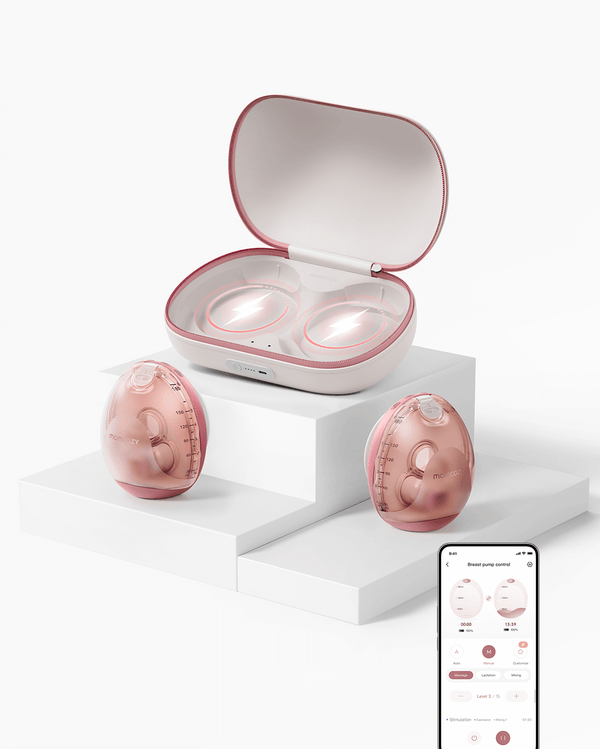
Many people nurse before leaving, pump mid-morning, at lunch, and mid-afternoon, then nurse at pickup. The pump itself may run 10 to 15 minutes. Door to door is often 20 to 30 minutes. If a lunch break has to happen in a borrowed office with no wall outlet, a slimmer wearable such as Air 1 sits lower under a blouse on a meeting-heavy day.
Member price
From$20.99Code Save 20%
If you miss a session, pump later the same day. Regularly skipping is what tends to leave you uncomfortably full and can lower what you collect over time.
Match the schedule to baby’s age at return
This is where a Canadian leave looks different from a six-week return. A parent going back at four months is still covering frequent feeds. A parent going back after a year on EI or QPIP may only need comfort expressing, or none on shorter days.
| Baby’s age when you return | Typical sessions in an 8-hour shift | What that usually means |
|---|---|---|
| About 4 to 6 months | About 3 | Roughly every 2.5 to 3 hours while you are apart |
| About 6 to 12 months | 2 to 3 | Solids are increasing; some families drop a session |
| About 12 to 18 months | 0 to 2 | Nurse around the workday; pump if you get full |
Volumes for childcare are typical ranges, not targets. Many babies between one and six months take roughly 60 to 90 ml at a bottle feed, and some drink less in the day and nurse more at night. If output at work drops suddenly, check flange seal, valves, and let-down first. The usual checks for a pump that is not collecting well cover that ground.
Work With Your Childcare Provider
Choose care that will follow your feeding plan, and do a trial run before day one. If they will not accept expressed milk, you need that answer early.
Questions for the tour
- Do you accept expressed milk, and how should it be labelled?
- Where is it stored, and who prepares the bottle or cup?
- Can I nurse at drop-off or pickup?
- How do you handle leftover milk after a feed?
- What happens if my child is sick or the centre closes?
Share how your baby likes to feed: paced bottle, cup, warm or cold. Serving temperature is comfort, not a safety test on its own; the notes on offering milk cold cover that question. Send milk in the amounts your baby actually takes, with name and date on every bag or bottle.
How to Store and Transport Milk During the Workday
For a workday, cool milk promptly, keep it at fridge temperature or in a closed cooler with ice packs, and take it home the same day. You do not need a full freezer chart on this page.
Fridge, cooler, and labels
Toronto Public Health’s storage guidance for healthy, full-term babies puts freshly expressed milk at room temperature (up to 25°C) for up to 4 hours, in the refrigerator (4°C or colder) for up to 4 days, and in a cooler bag with ice packs for up to 24 hours. Canadian Paediatric Society Caring for Kids uses similar home-storage windows in Celsius. Follow the shorter window if your local public health unit is stricter.
Label with your name and the date. Store at the back of an employee fridge, not the door. Cool fresh milk before you add it to milk that is already chilled. Take bags home the same day. If you have no workplace fridge, an insulated bottle cooler with frozen ice packs is the usual way to keep milk cold until you get home.
The First Weeks Back: Reverse-Cycling, Supply, and Support
The first two weeks are an adjustment, not a verdict on your supply. You may feel wrung out. Baby may cluster at the breast all evening. That is a common reset after a day apart, not proof you “lost” your milk between 9 and 5.
What often helps at home
Nurse before you leave and as soon as you reasonably can after pickup. Expect more evening or night nursing. At work, a photo, a snack, and water often help let-down more than staring at a clock. If breasts stay painfully full, leaking does not settle, or baby has fewer wet diapers than usual, call your public health unit or an IBCLC.
Where to get help in Canada
Start with your public health nurse, your family doctor or midwife, and La Leche League Canada. Several provinces have a nurse line at 8-1-1. Urgent worry about you or the baby is 911. BFI Ontario’s returning-to-work handout is a short extra checklist if you like paper in a bag.
FAQ: Quick Answers to Common Questions
Short answers below. If something feels off with baby’s diapers, weight, or your own pain, skip the FAQ and call a person who can see you.
Can I keep breastfeeding after returning to work?
Usually yes, if you want to. Weaning is a choice, not a requirement of a job.
How often should I pump at work?
Match how often baby would feed while you are apart. After a year, some parents pump once for comfort, or not at all on shorter days.
When should I start pumping before I return to work?
About one to two weeks is enough for most people to learn the pump, check flange fit, and collect a few labelled bags. You do not need months of freezer inventory.
How much milk should I send to childcare?
Send what your baby actually drinks, in small portions so less is wasted. Recheck after the trial day, especially if nights have become heavier.
Do I have the right to pump at work in Canada?
It is generally a human-rights accommodation issue under provincial and territorial law, up to undue hardship. Ask HR, then the human rights agency for your province if you are stuck. That is not a substitute for legal advice.
How long does a pumping break take?
The pump may run 10 to 15 minutes. Counting setup, transfer, and a rinse, plan 20 to 30 minutes until the routine is familiar.
What if my baby refuses a bottle?
Try a different caregiver in another room, paced feeding, a cup, or nursing at drop-off and pickup. An IBCLC or public health nurse can troubleshoot latch and bottle refusal together.
Conclusion
A Canadian return is often later than the stories written for a six-week unpaid leave. Use that. Ask for a room and a fridge before day one. Set a pumping rhythm that matches this baby, not a generic three-pump chart. Give the first two weeks room to be messy.


