How much milk am I supposed to pump? This is a question that occupies the mind of almost every new parent in Canada. Whether you are prepping for a return to work after your Employment Insurance (EI) benefits or simply building a "freezer stash" for extra flexibility, the answer isn't one-size-fits-all. Your output depends on factors like your baby’s age, your pumping schedule, and your unique physiology. By understanding the typical volumes for different stages, you can navigate your breastfeeding journey with confidence rather than stress. Let’s explore what "normal" looks like for your supply.
What is a Typical Pumping Output at Each Stage of Your Baby’s Growth?
The volume of milk your body produces evolves alongside your baby. In those early days of the "fourth trimester," your newborn's stomach is tiny, but as they grow and you potentially transition through Quebec’s QPIP or federal maternity leave, their requirements—and your output—will increase. Here is a general breakdown of what to expect:
Baby’s Age
Average Pumping Volume per Day
Typical Feeding Frequency
Newborn
30–60 ml (1–2 oz)
Every 2–3 hours
2–4 Weeks
60–90 ml (2–3 oz)
Every 2–3 hours
1–2 Months
120–150 ml (4–5 oz)
Every 3–4 hours
3–4 Months
120–180 ml (4–6 oz)
Every 3–4 hours
6 Months
180–230 ml (6–8 oz)
Every 4–5 hours
6–9 Months
180–230 ml (6–8 oz)
Every 3–4 hours (daytime)
9–12 Months
180–230 ml (6–8 oz)
Every 3–4 hours (daytime)
Canadian Mummy Tip: During our long, dry winters, dehydration can sneak up on you and negatively impact your supply. Ensure you are drinking plenty of fluids—warm herbal teas are a great choice—to keep your hydration levels up when the furnace is running 24/7!
How Much Breast Milk Can You Expect to Express in a 20-Minute Session?
Many mums wonder how much milk is normal to pump during a standard 20-minute window. This depends heavily on whether your supply is fully established and the efficiency of your equipment. On average, you might see the following results:
For New Mums (0–6 weeks): It is common to express approximately 30–60 ml (1–2 oz) per breast during a session.
With an Established Supply (6+ weeks): Once your hormones and demand have balanced, you might express between 90–150 ml (3–5 oz) per breast every 20 minutes.
Remember, these are averages. Factors like your diet, stress levels—especially when navigating Canadian winter travel—and the quality of your pump play a significant role in your total output.
Canadian Mummy Tip: In freezing temperatures, your breast pump's silicone parts can become stiff. Try to keep your pump at room temperature before use to ensure the suction remains effective and comfortable.
Why Does Your Baby’s Daily Milk Requirement Change Over Time?
The amount of pumped milk your little one requires is tied to their weight, metabolic rate, and developmental leaps. Generally, you should aim to provide a volume that mirrors what they would receive during a direct nursing session. As they grow, their intake naturally scales up:
Note: Individual needs may vary. Always consult your healthcare provider or a local Canadian lactation consultant if you have concerns about growth.
Canadian Mummy Tip: If you are using EI or QPIP benefits to stay home longer, you have a wonderful window to practice "paced bottle feeding," which helps babies transition between the breast and the bottle more easily.
Who Can Benefit from Troubleshooting a Lower-Than-Expected Pumping Volume?
If you feel you aren't producing enough breast milk when pumping, you aren't alone. Many Canadian mums worry about their supply, particularly during stressful transitions. The good news is that using a high-quality electric breast pump is often the first step to improving your output.
Here are common reasons for a dip in supply and how to address them:
Fluctuating Supply Levels
Monitor your output during both nursing and pumping. If supply seems low across the board, it could be due to infrequent sessions. While you can't always control a baby's sleep schedule, you can add an extra pumping session to signal your body to produce more. Stress and fatigue—common for new parents—also play a role. Ensure you are getting as much rest as possible and maintaining a balanced diet rich in oats and flaxseeds.
Using an Inefficient Pump
If you are relying on manual expression, it might be time to upgrade. Modern wearable breast pumps offer the efficiency of hospital-grade technology with the freedom to move around your home.
For top-tier performance, consider the Momcozy M9, M5, or the Air 1. These models offer customisable settings and discreet designs that fit perfectly into a busy Canadian lifestyle. For example, the YN46 seamless nursing bra provides the essential support needed to keep your wearable pump securely in place, ensuring maximum comfort and suction.
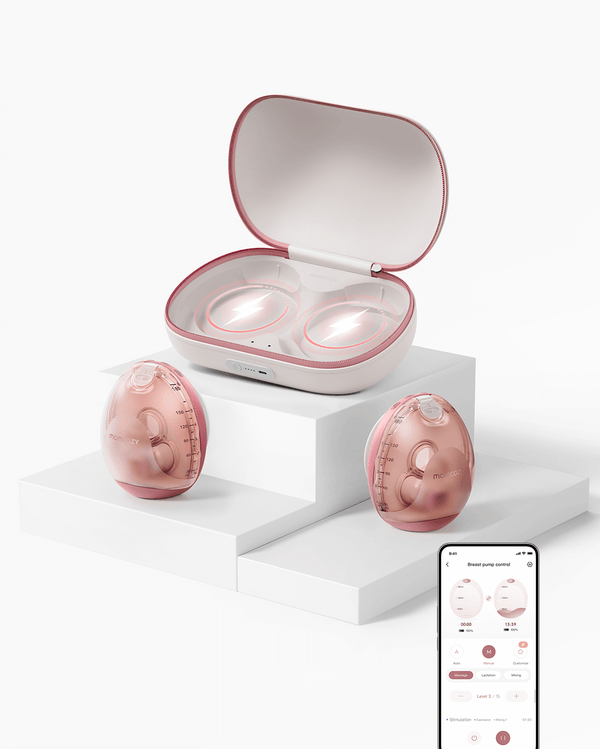
The Momcozy M9 Mobile Flow™ Hands-Free Breast Pump is a standout choice, featuring powerful suction up to -300mmHg and app-controlled settings for a truly personalised experience. 🤱✨ Experience the M9 for yourself today!
For those who value discretion, the Momcozy Air 1 Ultra-Slim is the thinnest wearable option available, measuring just 6.1 cm (2.4 inches) thick. It’s perfect for pumping during a commute or while out in public. ✨ Simplify your day with the Momcozy Air 1.
The Momcozy M5 remains a favourite for its lightweight design (just 230g) and versatile pumping modes. 🎯 Try the Momcozy M5 for reliable, confident pumping!
Settings that are too aggressive can cause pain, which inhibits the release of oxytocin—the hormone responsible for your milk "let-down." Conversely, settings that are too weak won't fully empty the breast. Aim for the highest suction level that remains completely comfortable.
Canadian Mummy Tip: In the winter, the air in our homes can become very dry. Use a nipple balm or a drop of expressed milk on your flanges to prevent skin irritation and maintain a good seal during your pumping sessions.
Maintenance and Sizing
Ensure your flange size is correct—nipple size can change after birth! Also, remember to replace silicone parts like valves and diaphragms every 1–3 months to maintain optimal suction. You can easily find replacement parts on the Momcozy site.
What Are the Best Ways to Support Your Supply While Exclusively Pumping in Canada?
Choosing to exclusively pump is a dedicated path. Consistency is your greatest ally in maintaining a healthy supply. Try these strategies:
Stick to a strict schedule, pumping every 2–3 hours. This frequent demand signals your body to maintain its current "Programme."
Prioritise nutrition and hydration. Foods like oatmeal and brewers yeast are popular for supporting lactation.
Utilise power pumping if your supply dips. This involves 20 minutes of pumping, a 10-minute rest, and another 10 minutes of pumping to mimic a baby’s "cluster feeding." You can read more about power pumping techniques to see if it's right for you.
Warm your breasts before a session. A warm compress can encourage faster let-downs, especially on chilly Canadian mornings.
Canadian Mummy Tip: If you're heading back to work and need to pump, remember that most Canadian provinces have labour laws that support your right to pump or nurse at work. Check your local provincial guidelines to understand your rights!
How Do You Know When It’s Time to Consult a Lactation Professional?
While DIY troubleshooting works for many, professional guidance is invaluable in certain situations:
If your total daily output is consistently lower than your baby’s caloric needs.
If you experience persistent pain or notice redness and heat in the breast tissue (potential signs of mastitis).
If you are worried about your baby's weight gain or the number of wet nappies they are producing.
Why Might You Consider Formula Supplementation During Your Breastfeeding Journey?
Supplementing with formula is a valid choice and can be a helpful tool in your parenting toolkit. You might consider it if:
Your baby is not hitting their growth milestones despite your best efforts to increase supply.
The pressure of exclusive pumping is impacting your mental health or ability to enjoy your mat leave.
Medical conditions or specific medications make full breastfeeding a challenge.
FAQs for Canadian Mums
How do I store pumped milk safely during a Canadian winter outing?
When travelling in sub-zero temperatures, it’s vital to prevent milk from freezing if you intend to use it immediately. Use an insulated bag with a small warm (not hot) pack. If the milk does freeze, thaw it slowly in the fridge or in a bowl of lukewarm water to preserve the nutrients.
Can I combine milk sessions if I'm transitioning back to work in Canada?
Yes, you can pool milk from the same day. However, ensure the fresh milk is cooled in the fridge before adding it to already chilled milk. This prevents the temperature of the older milk from rising, which helps maintain safety and freshness.
Does the cold weather affect my milk production?
Cold weather itself doesn't typically reduce supply, but the associated dehydration and seasonal stress can. Staying warm, eating calorie-dense foods, and keeping your stress low while navigating snow or ice can help maintain a steady flow.
Where can I find lactation support in Canada?
Most provinces offer free resources. You can contact La Leche League Canada, check with your local Public Health unit, or find a registered International Board Certified Lactation Consultant (IBCLC) through the Canadian Lactation Consultant Association.
Final Words
Every mum's journey is unique, and your pumping volume is just one small part of the story. Whether you're expressing 30 ml or 300 ml, you're doing an incredible job providing for your little one. Stay consistent, stay hydrated, and don't hesitate to lean on the wonderful maternity resources available across Canada. You've got this!
Disclaimer
The information provided in this article is for general informational purposes only and does not constitute medical advice, diagnosis, or treatment. Always seek the advice of your physician or other qualified health provider regarding any medical condition. Momcozy is not responsible for any consequences arising from the use of this content.