


You have a labelled bag on the counter and a baby who will drink it later, not now. How can I store breast milk is a packing question: a clean container, a date on the lid, then the right cold for how soon that feed will happen. Room temperature, a fridge, a freezer, and a cooler are different clocks, all in Celsius. Canadian public health units do not all print the same hours. Start with a local chart, and follow the shorter number if two charts disagree.
Key Takeaways
- Use a clean glass or BPA-free hard container, or bags made for breast milk, labelled with the date, at the back of the fridge or freezer.
- For healthy, full-term babies, Toronto Public Health is a working starting point: room temperature up to 4 hours, fridge up to 4 days, freezer up to 6 months, and up to 12 months in a deep freezer. Follow your local unit if it is shorter.
- Cool fresh milk before you add it to milk that is already chilled or frozen. Never refreeze thawed milk.
- At work, a shared staff fridge still follows the fridge window. A cooler with ice packs follows the transport window, often up to 24 hours. Take bags home the same day.
- If the baby is premature or needs extra care, use the hospital chart, not this home table.
The Safe Way to Pack Milk for Storage
Wash your hands, use a clean container, cap it, write the date, and get the milk cold. That is the whole packing job. The rest is choosing room, fridge, freezer, or a cooler based on when the baby will drink it.
Glass, hard plastic, or bags made for breast milk
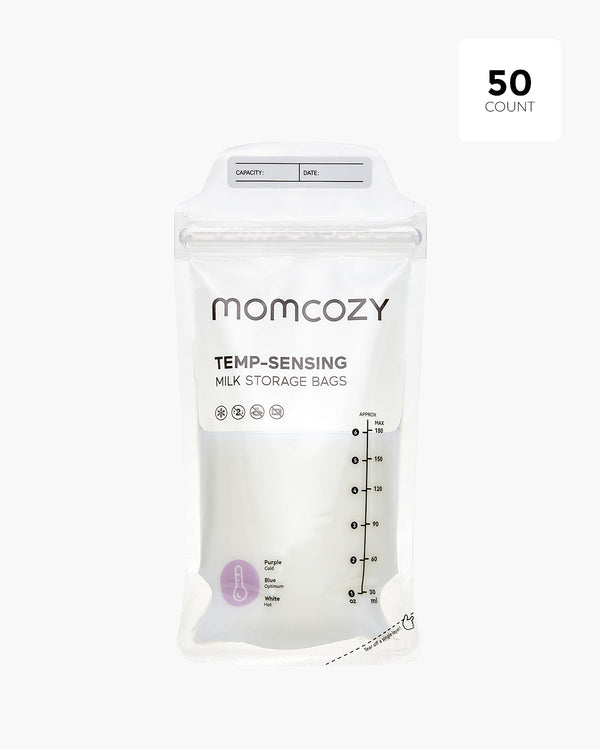
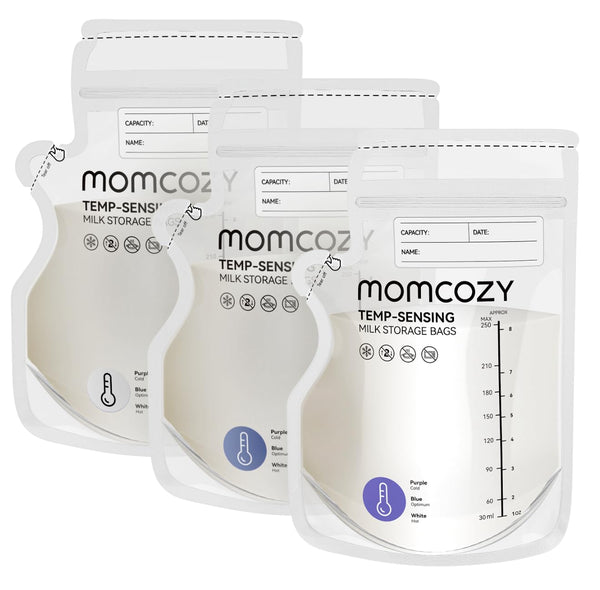
Use glass or BPA-free hard plastic with a tight lid, or bags sold for breast milk. Do not use thin bottle-liner bags. Do not use a nipple as a lid. Wash containers in hot soapy water, rinse, and air-dry. Washing and sterilizing pump parts follows the same hygiene habit for flanges and bottles. Premature, low-birth-weight, or extra-care babies need the hospital or clinician rules, not this home list.
Member price
$78.99$137.99Code Save 20%
Label, small amounts, and space at the top
Write the date and time. If the bag is going to childcare or a shared fridge, add the baby’s name. Store small amounts, often 30 to 60 ml, so less is wasted. Leave about 2.5 cm (1 inch) at the top if you freeze, because milk expands. Portions are ranges. How much milk to pump depends on age and on how many breastfeeds you still do.

How Long You Can Keep It: Room, Fridge, and Freezer
Times depend on where the milk sits. Canadian units do not all print the same numbers. Use the table below as a starting point for healthy, full-term babies, then follow your public health unit if it is stricter.
| Where it sits | Starting window (Toronto Public Health) |
|---|---|
| Room temperature, up to 25°C | Use within 4 hours |
| Refrigerator, 4°C or colder, back of the fridge | Use within 4 days |
| Freezer of a two-door fridge, about −18°C | Use within 6 months |
| Chest or upright deep freezer, about −20°C | Use within 12 months |
| Insulated cooler with ice packs | Use within 24 hours |
Toronto Public Health’s storage guidance is the source for those windows. Canadian Paediatric Society Caring for Kids uses similar home-storage times in Celsius. Some Ontario units print 6 to 8 hours at room temperature and 5 days in the fridge. If your local chart is shorter, use that number. Do not treat a US hours chart as the Canadian rule. Keep milk at the back of the fridge, not in the door. A workplace fridge is still a fridge: same window, with extra labelling in the next section.
Room, fridge, and freezer in plain language
If you will use the milk at the next feed, room temperature can be enough, then get it cold. If you will use it this week, the fridge is the usual place. If you will not use it within a few days, freeze it soon after you express, once it has cooled. Older frozen milk is still food. Fresher milk still has more of what was there on the day you pumped.
Combining Fresh Milk with Milk Already Chilled
You can pour new milk into milk already in the fridge, but only after the new milk is cooled. Warm milk on frozen milk starts a thaw you did not mean to start.
Cool first, oldest date first
Chill the fresh container on its own. Then combine. Write the oldest date on the combined bag. The same rule holds if you add a midday pump to a bottle already sitting in a staff fridge.
Thawing, Warming, and What to Do with Leftovers
Thaw the oldest bag first, in the fridge overnight or under warm running water. Do not thaw on the counter. Do not use a microwave. Do not refreeze milk that has thawed.
After thawing: leftovers, smell, and serving temperature
Toronto Public Health says to use leftover milk within 2 hours after the feed ends. Bacteria from the baby’s mouth get into the bottle. Serving temperature is comfort. Cold milk can be fine when storage was sound. Cold breast milk is a separate comfort choice, not a test of whether the bag was stored well. Thawed milk can smell soapy. If you followed the times, it is often still fine. If the baby refuses it, shorten how long you keep bags next time.

Storing Milk at a Canadian Workplace
At work the question is still storage, not a pumping timetable. The milk needs to stay cold until you get it home. A bathroom stall is not a place to leave bottles.
Shared staff fridge
A staff fridge is a fridge. Use the same Celsius window as at home. Put bags at the back, where it stays colder. Label with your name and the date so the bag is not left in the door or mixed up with someone else’s lunch. Take bags home the same day instead of leaving a stash in a shared fridge all week.
Asking for a private space that is not a washroom, and somewhere cold for milk, is generally a provincial or territorial human-rights accommodation in Canada. Details sit in the code where you work. The Canadian Human Rights Commission’s list of provincial and territorial agencies is the directory if you need the body that applies. This is not legal advice, and this is not a workplace pumping-schedule article.
If there is no fridge
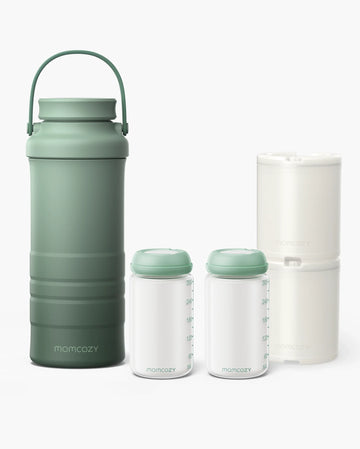
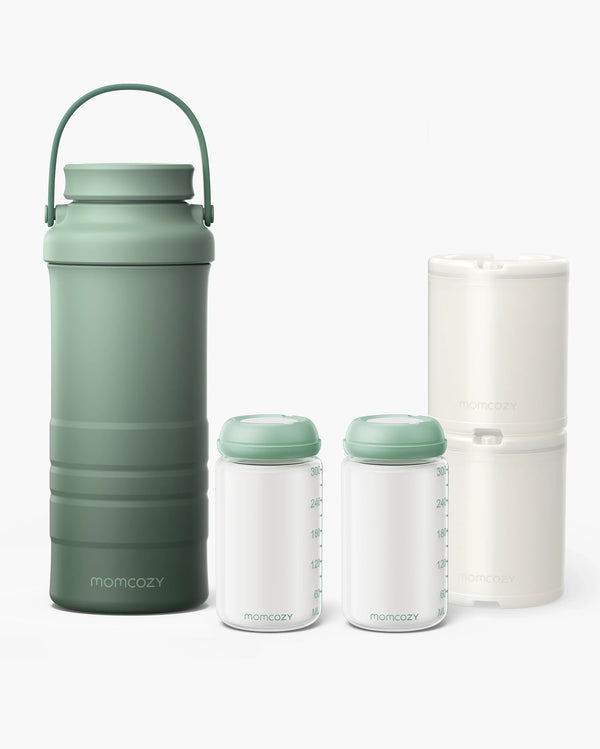
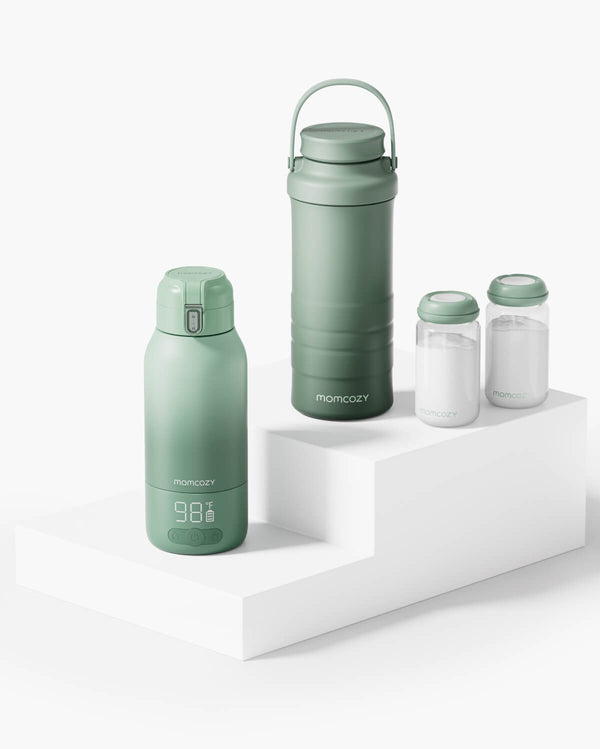
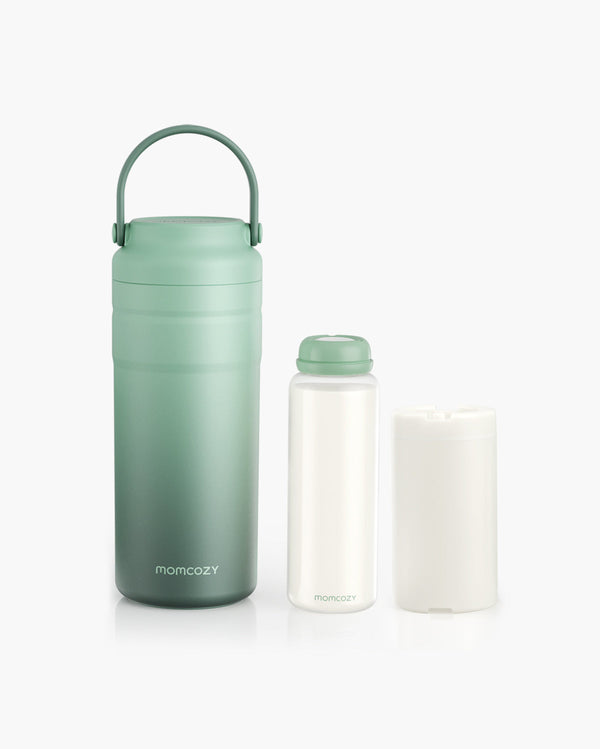
If there is no staff fridge, an insulated bag with frozen ice packs is the usual way to keep milk cold until you drive home. That follows the transport window, often up to 24 hours, not the four-day fridge window. A bottle cooler with ice packs is one way to keep bottles together on shift. It is a storage clock, not a freezer. This section is still about hours, not a first-day packing drill.
Member price
$109.99Code Save 20%
Member price
$199.99$215.99Code Save 20%
Member price
$469.99Code Save 20%
Shift, retail, healthcare, and outdoor work
The milk still needs cold. A cooler bag in a locker or a vehicle that stays within the ice-pack window is the logistics. Do not leave milk in a hot car after the packs have failed.
Storing Milk While You Are Out or Travelling
Errands, appointments, and a car ride use the same cooler window as a workplace with no fridge. Get the milk into a real fridge at the other end.
Ice packs, then a fridge
Toronto Public Health’s cooler guidance for fresh, refrigerated, or frozen expressed milk is to use it within 24 hours, including frozen milk that has thawed in the bag. Ice packs belong in the bag. A cooler is transport, not a second freezer. When you get home, move unused milk to the back of the fridge or the freezer, following the table above. Do not refreeze milk that already thawed on the road.
FAQ: Quick Answers to Common Questions
Short answers below. If the baby is premature or needs extra care, skip the home table and call the care team that already knows that baby.
How can I store breast milk?
Clean container, cap, date, then cold. Choose room, fridge, freezer, or ice packs based on when the baby will drink it. Follow your public health unit if it is stricter than the starting table.
How long can I store breast milk in the fridge?
Toronto Public Health’s starting point for healthy, full-term babies is up to 4 days at 4°C or colder, at the back. Some units print 5 days. Use the shorter local number.
How long can I store breast milk in the freezer?
About 6 months in a fridge freezer, and up to 12 months in a deep freezer, is the Toronto starting point. Keep bags at the back. Older milk is still usable if it stayed frozen; fresher is still nicer.
How long can I store breast milk at room temperature?
Up to 4 hours at up to 25°C is the Toronto starting point. If the room is warm, get it into the fridge sooner. Some units print 6 to 8 hours. Follow the stricter chart.
Can I store breast milk in a bottle?
Yes, in a clean bottle with a tight cap, not a nipple for a lid. Leave space if you freeze. Small bottles waste less if the baby leaves some behind.
How can I store breast milk at work in Canada?
Use a shared fridge like a home fridge: back, labelled, home the same day. If there is no fridge, ice packs and the cooler time window, then a real fridge when you leave. Asking for a cold place is generally an accommodation question, not a US pump-break statute. That is not legal advice.
How can I store breast milk while travelling?
Ice packs in an insulated bag, then a fridge at the other end, usually within 24 hours. Do not refreeze milk that thawed on the way.
Conclusion
Packing milk is a date, a clean lid, and the right cold. Home and work use the same Celsius windows. A cooler is for the hours you do not have a fridge, not for a week in a locker. If two Canadian charts disagree, use the shorter one.


