


![[Pre-order] Momcozy Wellness 1 Warm-Massage Wearable Breast Pump - W1](http://ca.momcozy.com/cdn/shop/files/1._1_app2.jpg?v=1778054546&width=360)
After a public health weigh-in, you may still be deciding whether some bottles belong in the week. Combination feeding is a logistics plan for this baby and this household, not a verdict on your milk. You need three jobs in front of you: a mix you can actually keep, a schedule that follows cues, and a safe way to prepare a bottle. Many Canadian parents start this later than the six-week stories online, because EI or QPIP leave often runs closer to a year. Match the plan to the baby in the next room, not to a US timeline.
Key Takeaways
- Combo feeding, also called mixed feeding, means some breastfeeds, some bottles of expressed milk, some formula, or a mix of those, whatever this family can keep.
- Start with one swapped feed at a time when you can, and talk with a public health nurse or an IBCLC before you change a plan that is still being established.
- You can put formula and breast milk in one bottle only after the formula is mixed with water first. Never use breast milk in place of water.
- A combo feeding schedule follows the baby's cues. A later Canadian return under EI or QPIP often means fewer bottles than a six-week US story.
- If wet diapers drop, weight stalls, or breasts stay painfully full, call public health or an IBCLC. That is not a shopping list.
What Combo Feeding Means
Combo feeding, mixed feeding, and combo feeding a baby are the same job with different labels. You feed from the breast for some sessions, and you offer a bottle for others. The bottle might hold expressed milk, infant formula, or both, depending on what your family doctor or paediatrician has already discussed with you.
Breast plus expressed milk, breast plus formula, or both
Some households never buy formula. They nurse when they are together and send expressed milk when they are apart. That still counts. Other households add formula for some bottles because that is the plan they can keep. None of those paths is more virtuous than the others. Brand choice for formula, if you use it, sits with your family doctor or paediatrician, not with a shopping list.
What it is not
It is not a failure of breastfeeding. It is not an ad for infant formula. It is a way to share feeds with a partner or grandparent, to cover a stretch you cannot sit for, or to follow a care plan you already have.

Why Families Mix Breast and Bottle
You do not need a medical crisis to mix breast and bottle. Plenty of Canadian families do it because a partner wants a night feed, a grandparent is visiting, or EI or QPIP leave is ending and days will look different. If a clinician asked for extra volume, that is a care-plan change. Take that back to public health or an IBCLC. A pump is not the treatment.
Shared nights, time away, and it simply fits
Common reasons are ordinary. Someone else can offer a bottle so you sleep. You have a morning appointment. The baby is older, solids are in, and you still nurse at the edges of the day. It can simply fit this family.
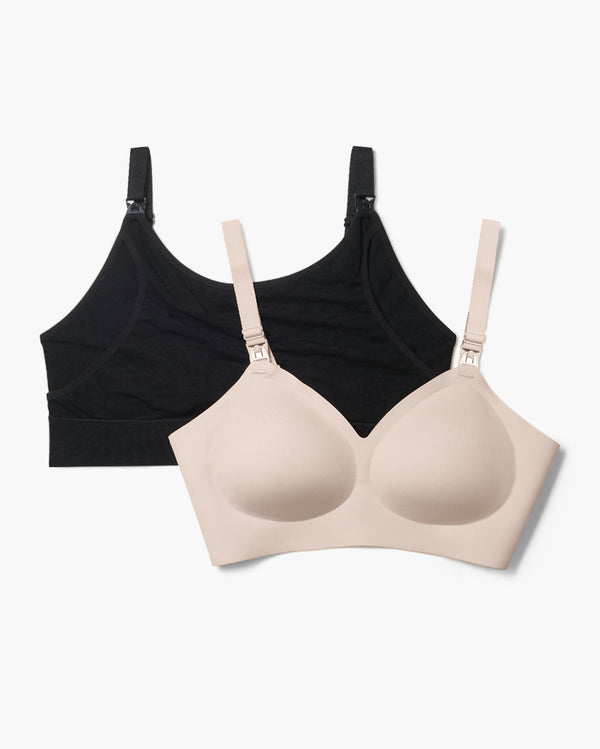
When the baby hops back to the breast after a bottle, the same afternoon or at 2 a.m. after a partner feed, a clip-down nursing bra under a sweatshirt at home is the clothing that makes that switch less of a fumble. This is not a commute outfit and not a parking-lot pickup.

Member price
$39.99code ÉCONOMISEZ 20%
Member price
$64.99$70.99code ÉCONOMISEZ 20%
Member price
$331.99code ÉCONOMISEZ 20%
Member price
$316.99code ÉCONOMISEZ 20%

Member price
$121.99$274.99code ÉCONOMISEZ 20%
How to Start Combo Feeding
Start by swapping one feed at a time, not the whole roster. If breastfeeding is still settling, wait until it feels more predictable unless a clinician has already asked you to add volume now. Public health or an IBCLC can help you pick which feed to change first.
One bottle, then another, when the baby is not frantic
Offer the first bottles when the baby is calm, not screaming hungry. It often helps if someone other than the nursing parent gives those first bottles, in another room, so the baby is not smelling milk right there. Use a slow-flow bottle nipple. If formula is part of the plan, many families try expressed milk in a bottle first so the baby learns the nipple before the taste changes.
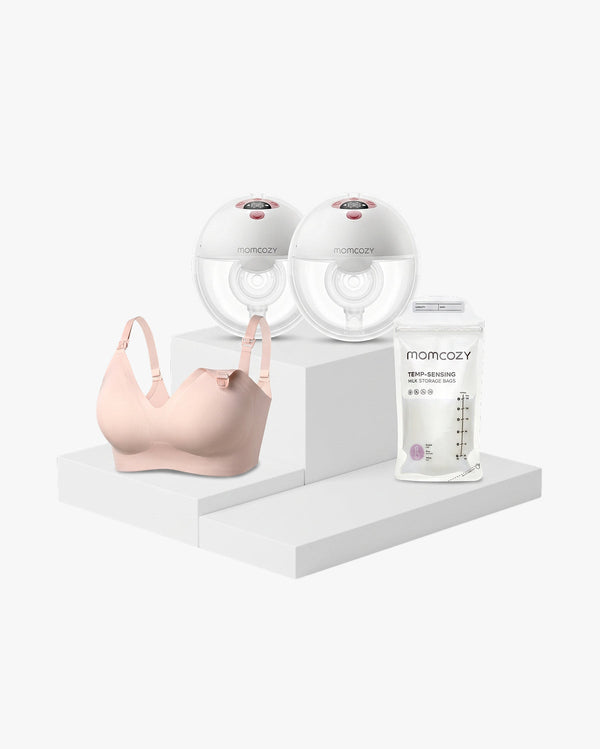
If that first extra bottle is meant for a partner night or a weekend stretch, some parents sit at the kitchen table after a breastfeed and express into a bottle with Wellness 1. That is a sit-down at home for someone else's feed, not a practice week before a first day back at work, and it is not treatment.
![[Pre-order] Momcozy Wellness 1 Warm-Massage Wearable Breast Pump - W1](http://ca.momcozy.com/cdn/shop/files/1._1_app2.jpg?v=1778054546&width=760)
A Combo Feeding Schedule You Can Keep
A combo feeding schedule is a repeatable pattern, not a clock you fail. Follow hunger cues first. Then pin the same kinds of feeds to the same windows so a partner can take a shift without guessing.
Newborn vs a later start, and a sample day
Outside Québec, Employment Insurance maternity and parental benefits are why many parents still have months at home. In Québec, QPIP covers that leave instead. A combination feeding newborn plan is not the default Canadian story. If you return closer to 12 to 18 months, the baby may already eat family foods, so bottles can be fewer than a four-month mix.
A sample mixed day might look like this. Nurse on waking. Let a partner offer a mid-morning bottle. Nurse again early afternoon. Offer another bottle in the evening if that is the swap you chose. Keep nights on the breast, or hand one night bottle to someone else. Volumes are ranges. How much milk to pump depends on age and on how many breastfeeds you still do, not on a single chart.
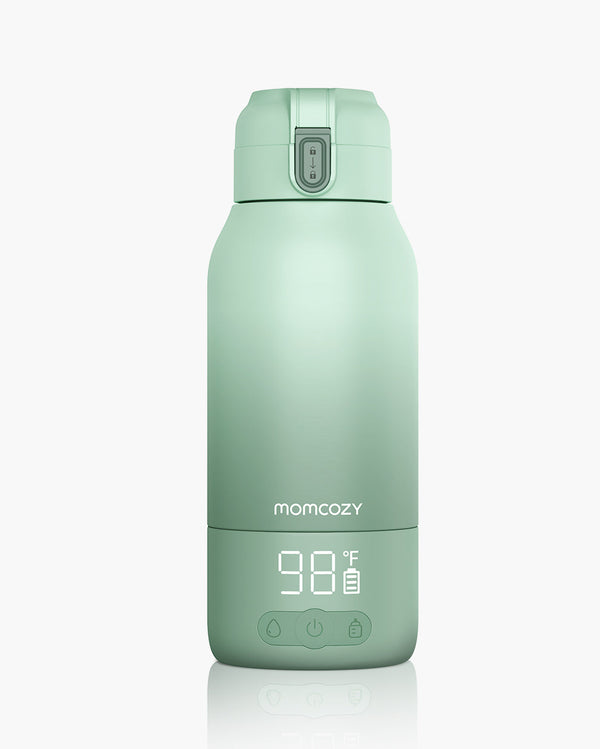
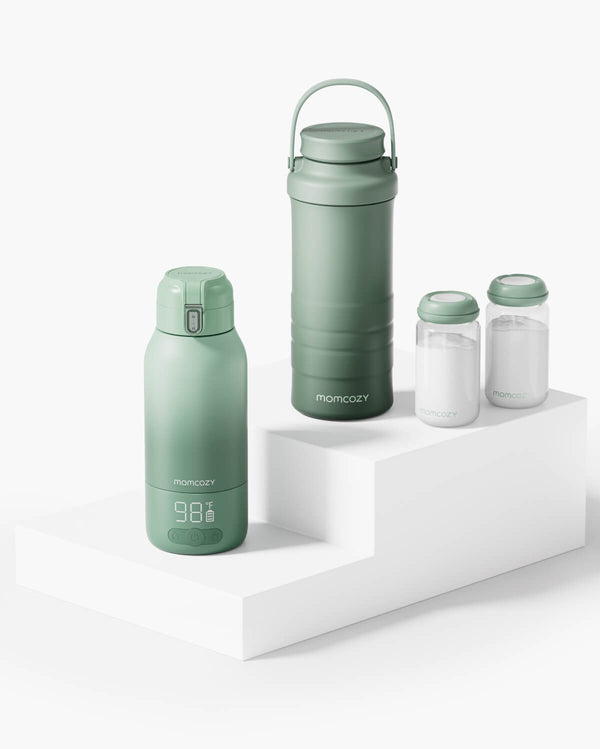
On the partner night-bottle or a weekend walk, the person giving the bottle can warm expressed milk, or water for formula, in a Superfast portable bottle warmer downstairs or in a bag. That is comfort for the caregiver, not a workplace fridge and not a safety test. Follow the formula label if you are heating water for powder.
At six months, when solids are in, combo feeding often shrinks to a few breastfeeds and fewer bottles, still on cues. Recheck the pattern after a public health weigh-in rather than copying a newborn grid.
Member price
$99.99code ÉCONOMISEZ 20%
Member price
$199.99$215.99code ÉCONOMISEZ 20%

Member price
$459.99code ÉCONOMISEZ 20%
Can You Mix Formula and Breast Milk in One Bottle?
Often yes, if you prepare the formula with water first, then add expressed milk. Never use breast milk in place of the water when you mix powder or concentrate. Wrong water ratios can throw off the nutrients. Ready-to-feed liquid formula can be combined with expressed milk after you have measured both. This is not a recommendation to use formula. If formula is already in your plan, this is the safe order.
Water first, then milk, then the shorter storage window
- Wash your hands. Prepare powdered or concentrated formula with the amount of safe water on the label. Health Canada’s powdered infant formula handling advice is the Canadian how-to, not a US chart.
- Once the formula is mixed as directed, add expressed milk if you want them in the same bottle.
- If you would rather not risk wasting expressed milk, keep breast milk and formula in separate bottles.
A mixed bottle follows the shorter storage rule, which is usually the formula rule, not the longer breast-milk window. Toronto Public Health’s storage guidance for healthy, full-term babies lists expressed milk in Celsius. Canadian Paediatric Society Caring for Kids uses similar home-storage windows. Once a baby has started a formula-containing bottle, leftover rules are stricter. Discard what you would discard for formula, and check the label and your public health unit if they are stricter.
How Mixed Feeding Affects Milk Supply
Combo feeding can lower supply over time if breastfeeds drop and nothing replaces that removal. Milk is made in response to emptying. Skip a breastfeed, skip the pump, and the body often makes less. That is a tendency, not a promise that you will lose your milk, and not a promise that pumping will restore it.
If you want to keep volume, and when to call
If you want to keep volume, nurse or express around the time you skip a breastfeed. How long breasts take to refill after you pump varies. That is a separate question from whether mixed feeding is “bad.”
Red flags belong to a person who can see you, not to a kit list. Fewer wet diapers, a baby who is unusually sleepy or hard to wake, or breasts that stay painfully full and do not settle are reasons to call public health, your family doctor, a paediatrician, or an IBCLC. If it feels urgent, call 911. Several provinces have a nurse line at 8-1-1.

Paced Bottles, Refusal, and Extra Washing
Paced bottle feeding is a slow, upright, cue-led bottle, not a race to empty. Hold the bottle more horizontal, pause, and let the baby pull off. That can make a bottle feel closer to a breastfeed and may cut down on gulping air.
If the baby refuses, and if gas shows up
If the baby refuses, try another caregiver, another room, and a time when the baby is interested but not frantic. A slow-flow nipple and more burps help some gassy babies. Serving temperature is comfort. Cold milk can be fine when storage was sound. Cold breast milk is a separate comfort choice, not a test of whether combo feeding is working.
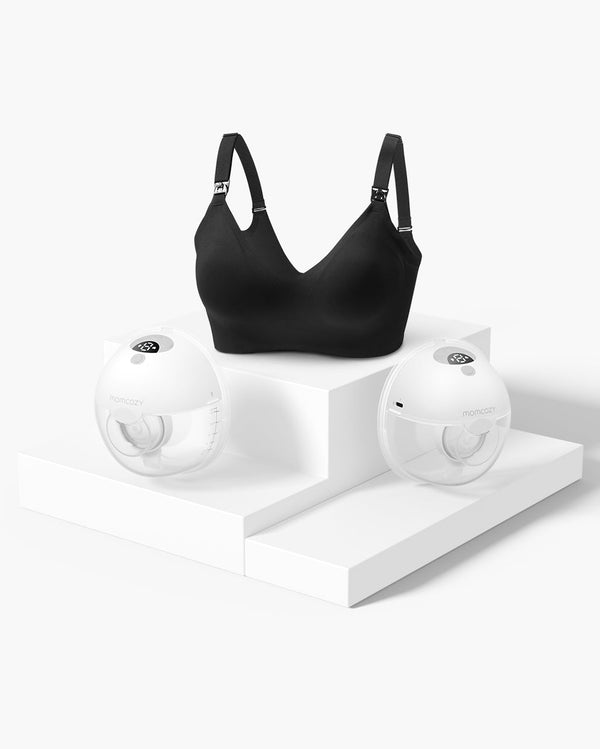
While someone else paces a bottle in the next room, you may still want to empty the skipped feed on a similar clock. Some parents walk that session around the house with Air 1, because they are moving through rooms, not sitting in a borrowed office at lunch.

Member price
$489.99code ÉCONOMISEZ 20%
Member price
De$20.99code ÉCONOMISEZ 20%
Cleaning extra bottles after combo feeds
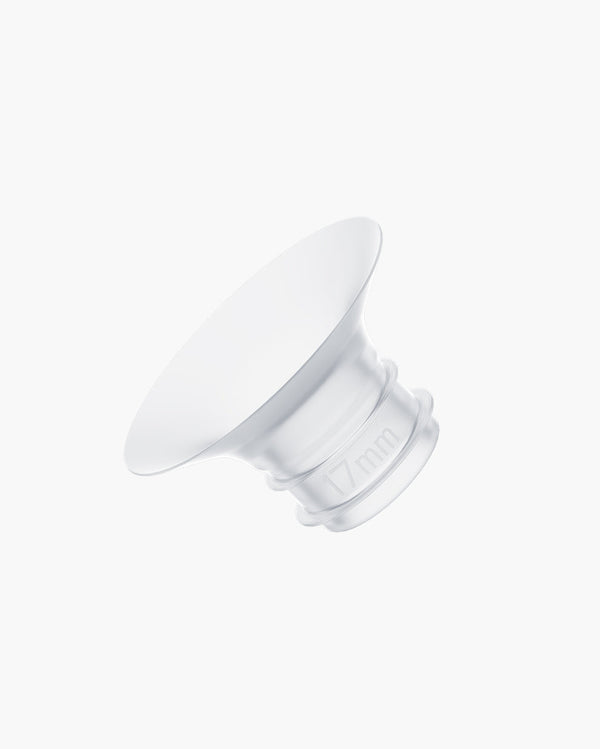
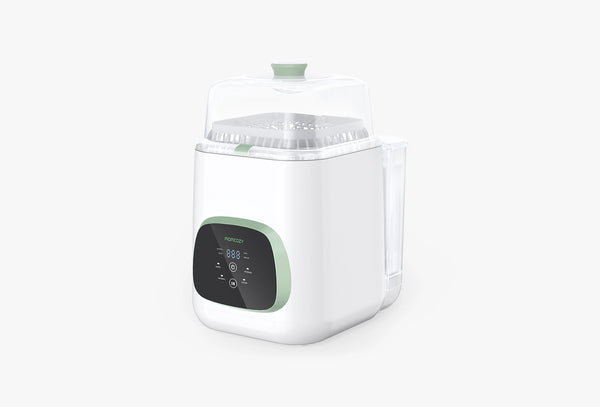
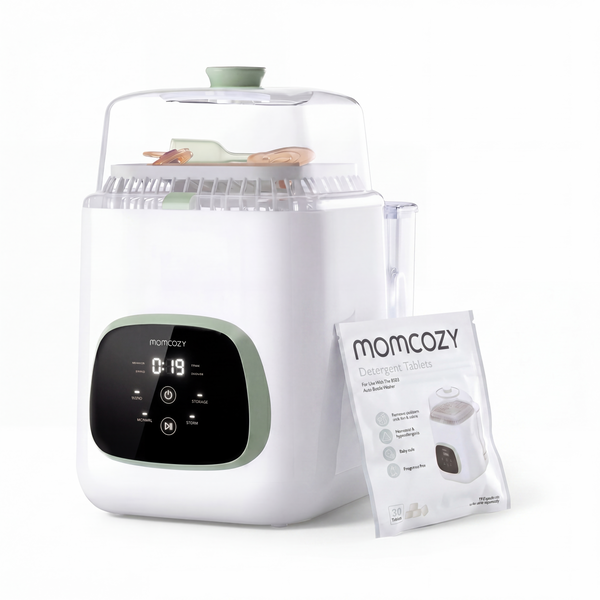
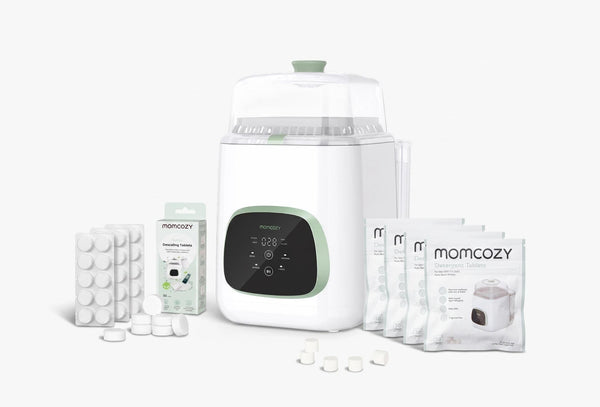
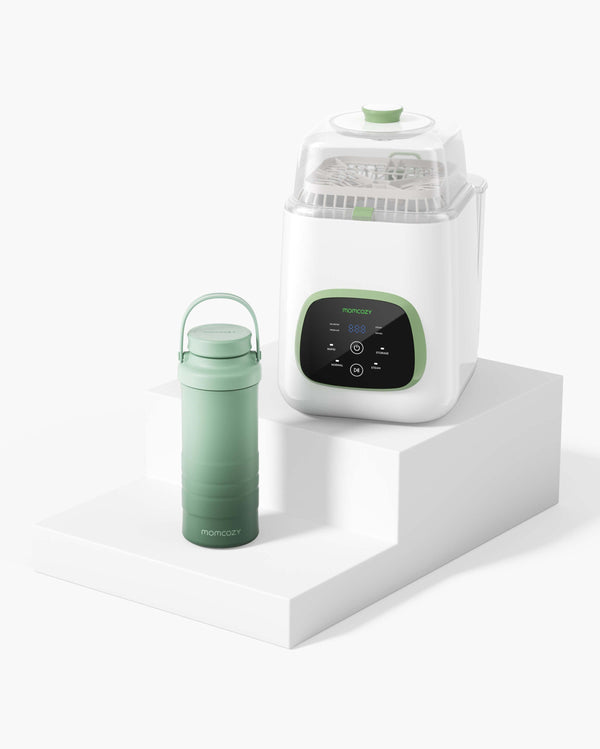
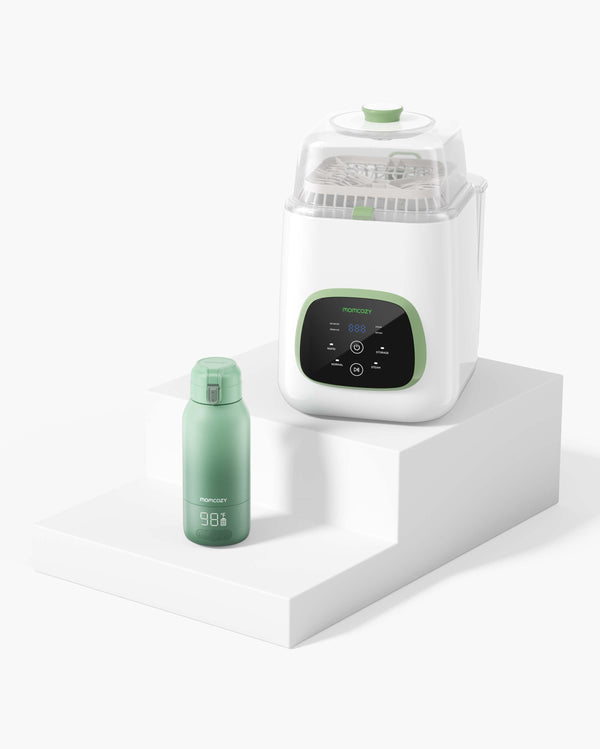
A mixed day leaves bottles and pump parts in the same sink. Washing and sterilizing pump parts still follows your usual hygiene, including what your public health unit says for newborns. If the pile is bottles plus flanges after a mixed day, some households run a KleanPal Pro cycle to wash, sterilize, and dry. That is kitchen logistics, not treatment.
Member price
De$399.99code ÉCONOMISEZ 20%
Member price
$399.99code ÉCONOMISEZ 20%
Member price
$449.99code ÉCONOMISEZ 25%
Member price
$509.99code ÉCONOMISEZ 20%
Member price
$499.99code ÉCONOMISEZ 20%
FAQ: Quick Answers to Common Questions
Short answers below. If wet diapers drop, weight stalls, or you are in pain, skip the FAQ and call a person who can see you.
What is combination feeding?
It is using more than one way to feed the same baby in the same stretch of days: breast, expressed milk, formula, or a mix. The split is whatever your household can keep. Check a new plan with public health or an IBCLC if feeding is still being established.
Can you mix formula and breastmilk in one bottle?
Only after the formula is prepared with water. Do not stir powder into breast milk instead of water. Separate bottles waste less expressed milk if the baby leaves some behind.
Is combination feeding OK for a newborn?
It can be, especially if a clinician has already asked for extra volume. If you have a choice, many families wait until breastfeeding feels more settled. Newborn intake and wet diapers should still be watched with your public health nurse.
Will combination feeding reduce my milk supply?
It can, if fewer breastfeeds are not replaced by expressing. It does not have to, if you still empty on a similar rhythm. There is no product that restores supply.
How do I set a combo feeding schedule?
Pick one repeatable swap, keep the rest on cues, and write it down so a partner can take a shift. Recheck after a weigh-in. Do not copy a workplace three-pump grid unless you are actually at work.
Does combo feeding cause nipple confusion?
Some babies toggle easily. Some need time and a slow-flow nipple. Paced feeding and another caregiver for early bottles help more often than buying a new gadget.
Who can help with combination feeding in Canada?
Start with your public health nurse, family doctor, midwife, paediatrician, or an IBCLC. La Leche League Canada is a parent-to-parent option. Several provinces have 8-1-1. Emergency care is 911.
Conclusion
A mixed plan is a household plan. Swap one feed at a time. Mix powder with water before you add expressed milk. Keep the Canadian leave story in mind: EI or QPIP often means you are not living a six-week US bottle schedule. If diapers or weight worry you, call a person, not a product page.


