


For many Canadian mums navigating the early stages of parenthood, using a breast pump is a vital part of the daily routine. Whether you are prepping to head back to work after your Employment Insurance (EI) leave or simply need a break, a malfunctioning pump can be incredibly stressful. If you find your breast pump not working the way you expected, you are not alone. This guide explores the common culprits behind poor performance and offers straightforward fixes to help you get back to your routine quickly.
Why Understanding Your Breast Pump Mechanics Matters for Canadian Mums
Canadian Mummy Tip: During our long, dry winters, the static electricity in your home can sometimes affect the touch-screens of your electric breast pump. Keep your hands moisturised and your pumping station away from high-static rugs to ensure your device stays responsive!
What exactly is a breast pump, and how does it help you? At its core, a breast pump is a clever tool designed to draw milk from your breasts for storage or immediate use. Whether you use an electric version for speed or a manual one for portability, the device uses a vacuum to replicate the natural way a baby latches and sucks to express milk. This milk can then be safely stored in the fridge or freezer, which is a lifesaver when you are balancing your schedule.
Most modern electric breast pumps allow you to customise the suction power and rhythm. Finding your "sweet spot" is key to comfort and efficiency. After each session, remember to thoroughly clean every component to keep the system hygienic and ensure your pump continues to work effectively. Proper maintenance is the best way to prevent your pump from losing suction over time.

What Are the Main Reasons Your Breast Pump Is Not Working Effectively?
Canadian Mummy Tip: If you are in Quebec and receiving QPIP benefits, you might have more flexibility to extend your breastfeeding journey. Make sure to choose a pump that fits your long-term goals, as you might be pumping for a year or more!
Even when we understand how a breast pump works, things don't always go according to plan. If you are frustrated by your pump's performance, it usually boils down to one of these five common issues.
Reason 1: Is Your Setup or Usage Holding You Back?
While using a pump seems simple, small mistakes in your daily habit can lead to an electric breast pump not working correctly. Check these factors first:
- Power Supply Issues: If you use a battery-powered model, ensure it is fully charged. A low battery often leads to a noticeable drop in suction strength before it cuts out entirely.
- Incorrect Assembly: In the rush of a busy morning, it is easy to misalign a valve or a diaphragm. Every single part must be clicked firmly into place to maintain the vacuum seal.
- Suboptimal Settings: Your body’s needs change. If you are pumping too soon after delivery or for too short a time, your milk supply might not respond. Review your manual to ensure you are using the right "let-down" and "expression" modes for your body.
- Poor Seal Against the Skin: If there is even a tiny gap between your breast and the flange, the vacuum will fail. Ensure the pump is pressed firmly against you for a tight, airtight seal.
Reason 2: Do Your Pump Parts Need a Refresh?
Over time, the components of your pump will naturally wear out. If your breast pump is not suctioning as it used to, check these parts:
-
The Importance of Flange Size: A flange that is the wrong size won't just be uncomfortable; it will actually prevent you from emptying your breast. If it's too big or small, you won't get a proper seal.

- Replacing Worn Seals: Silicone valves and membranes lose their elasticity over time. If they look stretched or have tiny tears, replace them immediately to restore suction power.



- Residual Debris or Moisture: If milk or water gets into the tubing or valves, it can block the airflow. This is a common reason for a breast pump not working effectively. Always wash and completely air-dry your parts in a clean centre of your kitchen.


Reason 3: Is There a Mechanical Malfunction?
Sometimes the issue is internal. If the motor itself is failing, you may notice:
- Motor Failure: The motor is the heart of your pump. If it makes unusual grinding noises or feels hot to the touch, it may be time for a professional repair or replacement.
- Brittle Accessories: Frequent sterilising can make plastic parts brittle. Inspect your kit regularly for cracks that might be letting air escape.
Reason 4: Is Your Current Pump the Right Fit for You?
Not all pumps are created equal. If you find your breast pump not working on one side or failing to produce enough milk, your model might lack the necessary power. Consider these upgrades:
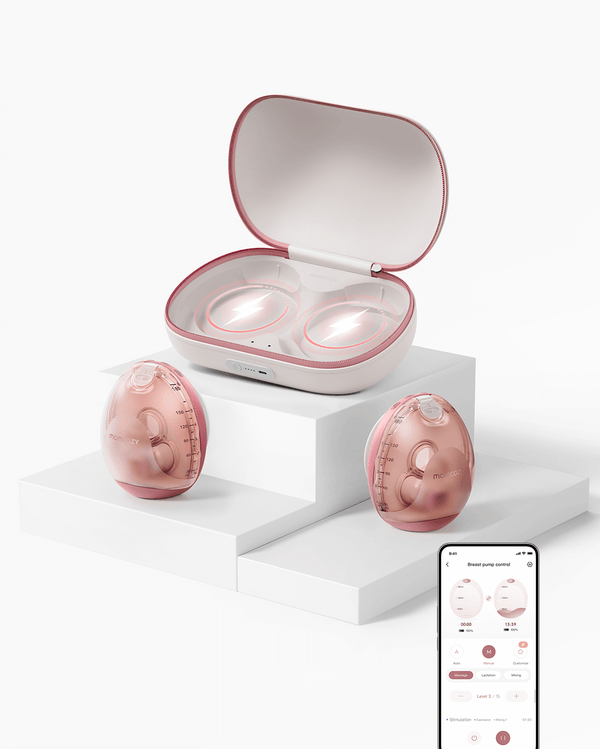
- Adjustable Suction: Look for a pump that offers high levels of customisation. For example, the Momcozy M9 features a 3rd-gen motor providing up to -300mmHg of pressure and 15 different levels to suit your comfort.
- Simulation Modes: Modern pumps should have a "let-down" mode that mimics the fast, light sucking a baby does initially to trigger milk flow.
- Quality Flange Design: The fit is everything. The M9 uses a DoubleFit™ Flange, which mixes soft and rigid silicone to prevent leaks and improve efficiency by over 28%. This ensures you get every drop of milk possible.


Reason 5: How Do Stress and Health Impact Your Yield?
Sometimes the pump is fine, but your body needs a bit of extra care. External factors can heavily influence your milk expression:
- Physical Health: Factors such as hormonal imbalances or dehydration can lower your supply.
- Pumping Anxiety: If you are stressed, your body may struggle with the let-down reflex. In Canada’s cold winter months, being physically cold can also constrict your milk ducts.
Try to create a relaxing environment. Play some music, wrap yourself in a warm blanket, and use a nursing pillow for support. This physical comfort can significantly improve your milk flow.
How Can You Fix an Electric Breast Pump Not Working at Home?
If you are experiencing issues, let’s use the Momcozy M9 as our guide to troubleshoot the most common problems Canadian mums face.
Problem 1: The Pump Won't Start
- Check the Power: Confirm the battery isn't dead. Plug the M9 in to see if it responds to a charge.
- Watch the Lights: If the indicator lights don't blink or turn on, there may be an internal electrical fault.

Problem 2: There Is No Suction at All
To test if the motor is working, turn the M9 on and place your finger over the air outlet. If you feel no pull, the motor is likely damaged and needs servicing.

Problem 3: The Suction Feels Weak
To boost your suction power, try these steps:
- Verify Assembly: Re-read the manual and ensure every valve is pointing the right way.
- Check Your Bra Fit: A well-fitting bra keeps the pump snug against your skin. This is essential for hands-free models to work effectively.

- Measure Your Nipple: Your nipple should be perfectly centred in the flange tunnel. If it’s rubbing against the sides, you need a different size.

- Inspect Silicone Parts: Check your silicone parts for any "cloudiness" or thinning. We recommend replacing these every three months for the best performance.
- Increase the Intensity: Don't be afraid to click the "+" button to find a stronger setting that still feels comfortable.
- Be Patient with Let-Down: Sometimes it takes a few minutes for the milk to start flowing. Stay relaxed!
Problem 4: The Device Won't Turn Off
If the button doesn't respond, break the vacuum seal manually by sliding a finger between your breast and the flange. Once the air enters, the suction will release, and you can try the power button again.
Problem 5: The Pump Shuts Down Suddenly
Most quality pumps have an auto-shutoff feature after 30 minutes to protect your breast tissue. If it stops, simply turn it back on if you need a few more minutes of expression.
Problem 6: My Pump Got Wet
- Surface Moisture: If you spill water on it, dry it immediately. Turn it so the charging port faces down and let it air dry for 24 hours.
- Submerged in Water: If the motor was dropped in a sink or bath, do not turn it on. Contact support immediately to avoid an electrical short.
Problem 7: It Won't Charge
Check your USB-C cable for any frays. Ensure it is pushed all the way into the port. If it still won't charge, try a different Canadian-standard wall adapter to rule out a faulty plug.

Problem 8: The Pump Is Running, But No Milk Is Coming Out
This is often a positioning issue. Pause the pump, realign your nipple in the centre of the tunnel, and ensure you have a tight seal before restarting. Ensure you are well-hydrated, especially in dry indoor environments.
Problem 9: Pumping Is Hurting My Breasts
Pumping should never be painful. If it hurts:
- Fix the Position: Rubbing often causes pain. Ensure you are centred and using a supportive pumping bra.
- Lower the Suction: High suction does not always mean more milk. Turn it down until it feels like a gentle tug rather than a pinch.

- Keep Sessions Short: Avoid pumping for longer than 20-30 minutes at a time to prevent tissue damage.
Why Perfecting Your Pumping Routine Leads to a Stress-Free Journey
While a breast pump not working can feel like a major setback, most issues are easily fixed with a bit of troubleshooting. By understanding your equipment and your body’s needs, you can ensure a steady milk supply for your little one. If problems continue, don't hesitate to reach out to a local Canadian lactation consultant or your healthcare provider for expert support.
Canadian Pumping FAQ
Q: How do I store breast milk during a Canadian winter if I'm out and about?
A: Breast milk can freeze if left in a stroller or car during sub-zero temperatures. Use an insulated thermal bag with a warm (not hot) pack to keep the milk around room temperature while travelling.
Q: Does the extreme dry air in Canada affect my pump?
A: Dry air can make silicone parts more prone to static and cracking. Store your pump parts in a container with a slightly damp cloth nearby (not touching the electronics) if your home is very dry, and replace valves more frequently in winter.
Q: Can I claim my breast pump on my Canadian taxes?
A: In many cases, breast pumps can be claimed as a medical expense if you have a prescription from a doctor or if your private insurance provider covers it. Always check the latest CRA guidelines or your workplace benefits package.
Q: Is there a difference in milk flow between EI and QPIP regions?
A: While the biology is the same, mums in Quebec (QPIP) often have longer supported leaves, which can reduce the stress of "speed pumping" for work. Lower stress levels generally lead to a better let-down reflex and more effective pumping sessions.


